
 Farbod Memarian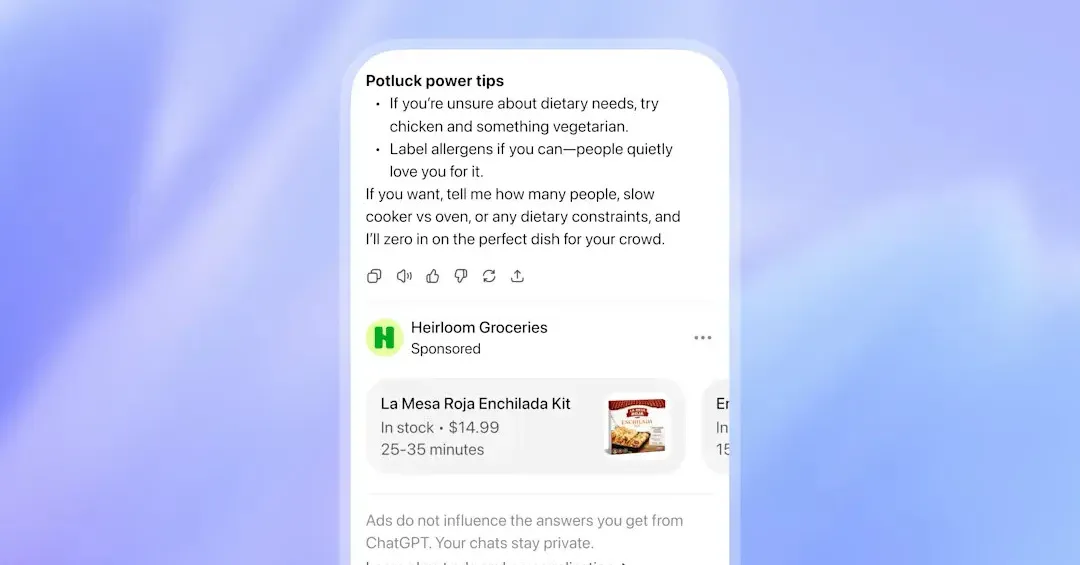
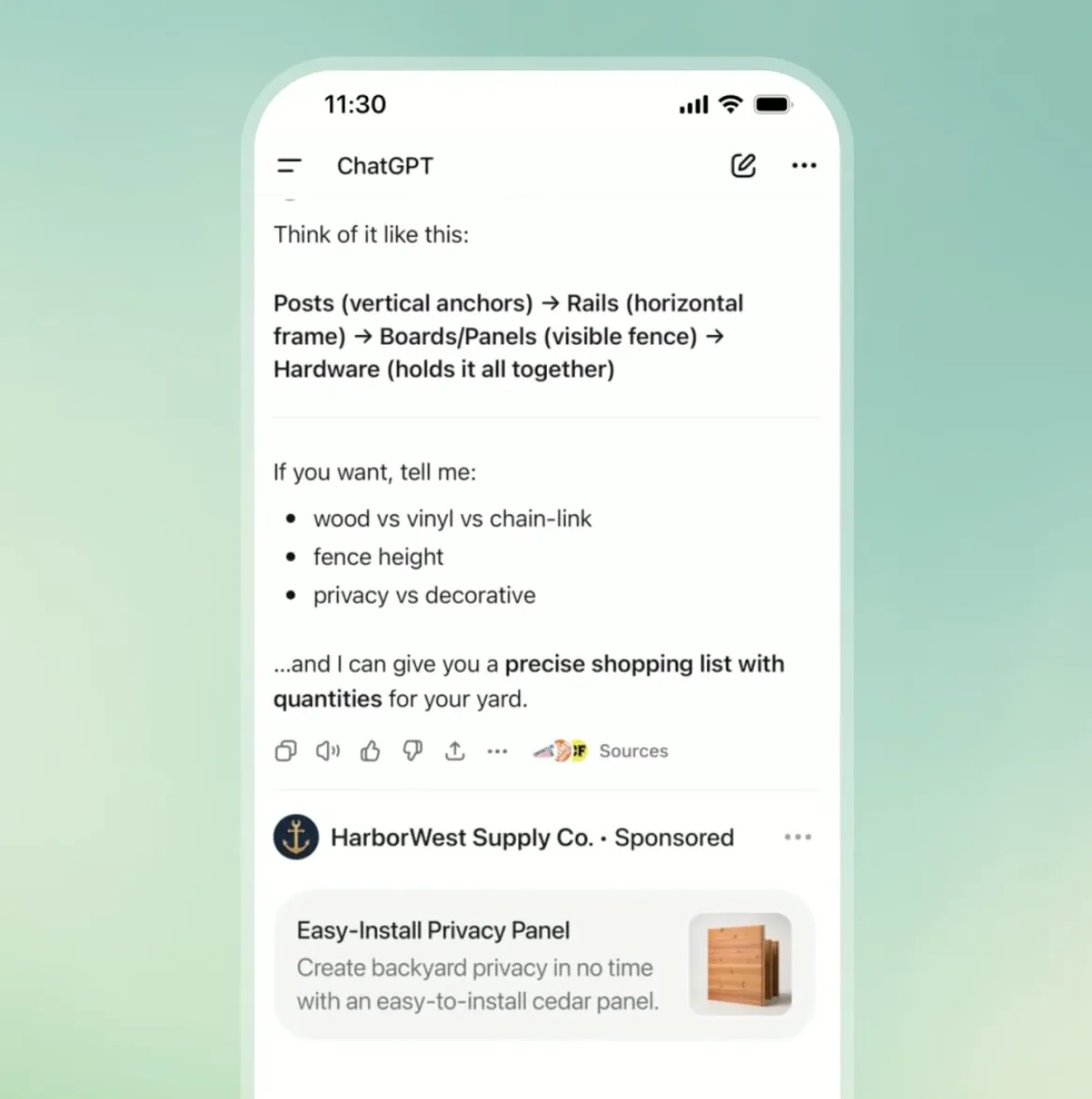
ChatGPT Ads just opened to the public. Any US business can now run paid placements inside ChatGPT directly at ads.openai.com, without an agency or a minimum spend.
What's live:
• Two bidding models: cost-per-impression and cost-per-click
• Ads appear below ChatGPT answers, matched to the intent of the conversation
• Conversion tracking and pixel-based measurement are part of the launch
• Free and Go tier users see ads. Plus, Pro, Business, and Enterprise remain ad-free
• OpenAI states the ads do not influence ChatGPT's answers and that conversations remain private from advertisers
This opens a new paid surface inside one of the largest AI platforms in the world: 2 billion queries per month, with the first ad placements any business can buy inside generative AI answers.
For marketers, that creates two questions overnight:
• Are competitors already bidding on the prompts your buyers run inside ChatGPT? Gauge's ChatGPT Ads feature shows you.
• Is your own ChatGPT Ads spend performing across the queries that actually matter to you?
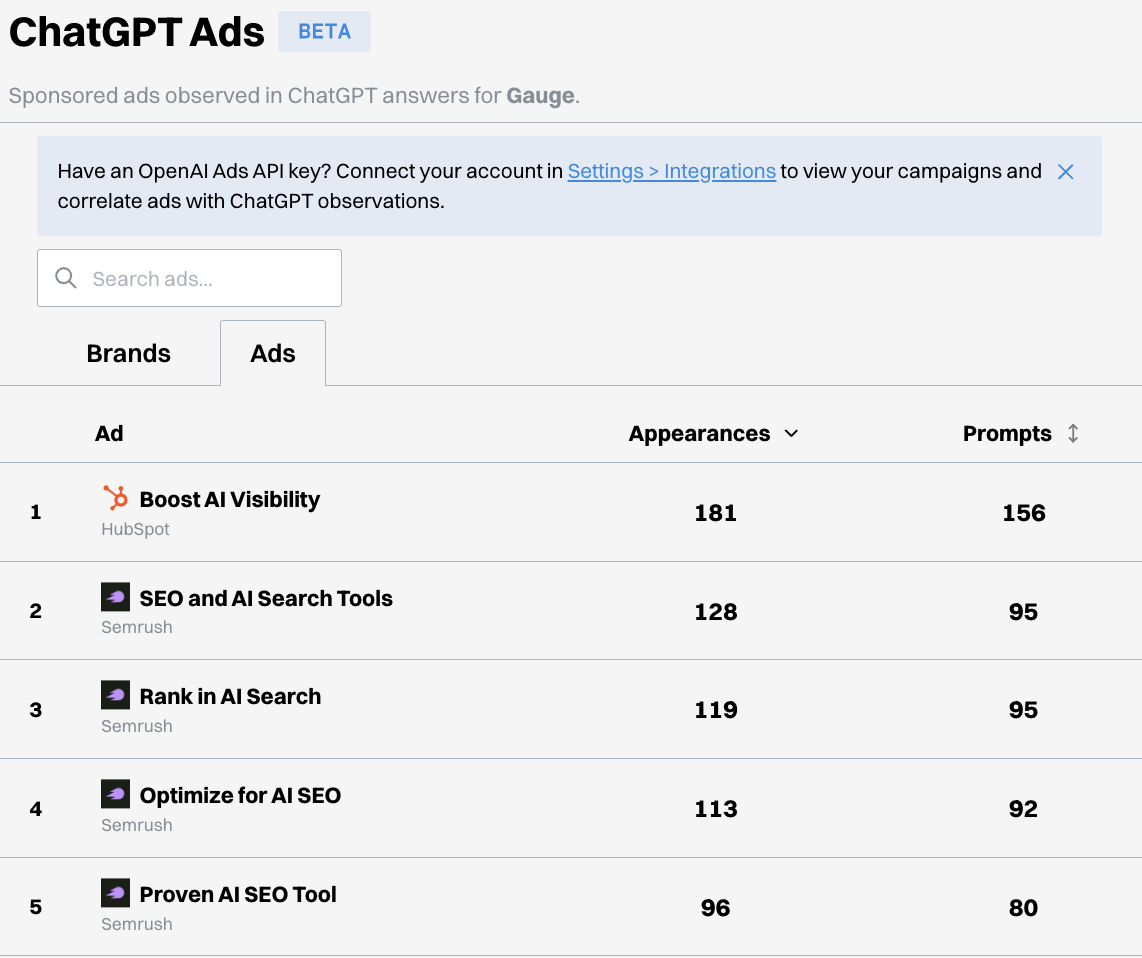
Gauge has a dedicated ChatGPT Ads feature built for both:
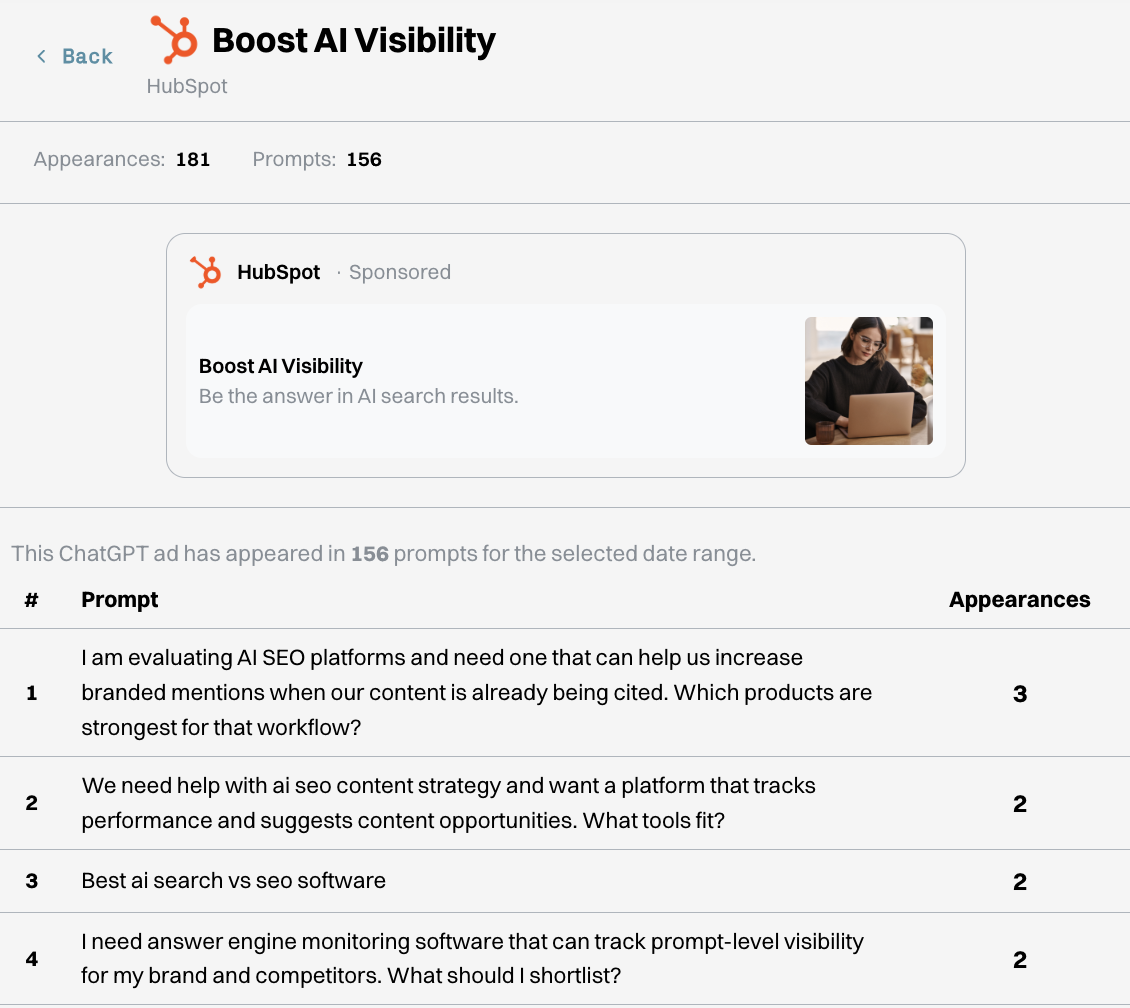
• Every advertiser running ads against the prompts you're already tracking, including the ad copy and the exact prompts each ad appeared against
• Whether you appear organically in those same answers, so you can tell where competitors are bidding into queries you already own and where they're breaking into ones you don't
• Your own campaign data when you link your OpenAI Ads API key: budget, spend, impressions, clicks, CTR, CPC, with drill-down from campaign to ad group to individual ad to the prompts each ad ran against
• Analysis through Ask Gauge, the AI marketing co-pilot inside the platform, sitting next to your AI visibility, citation, and SEO data
Live now at withgauge.com.
Related Blogs
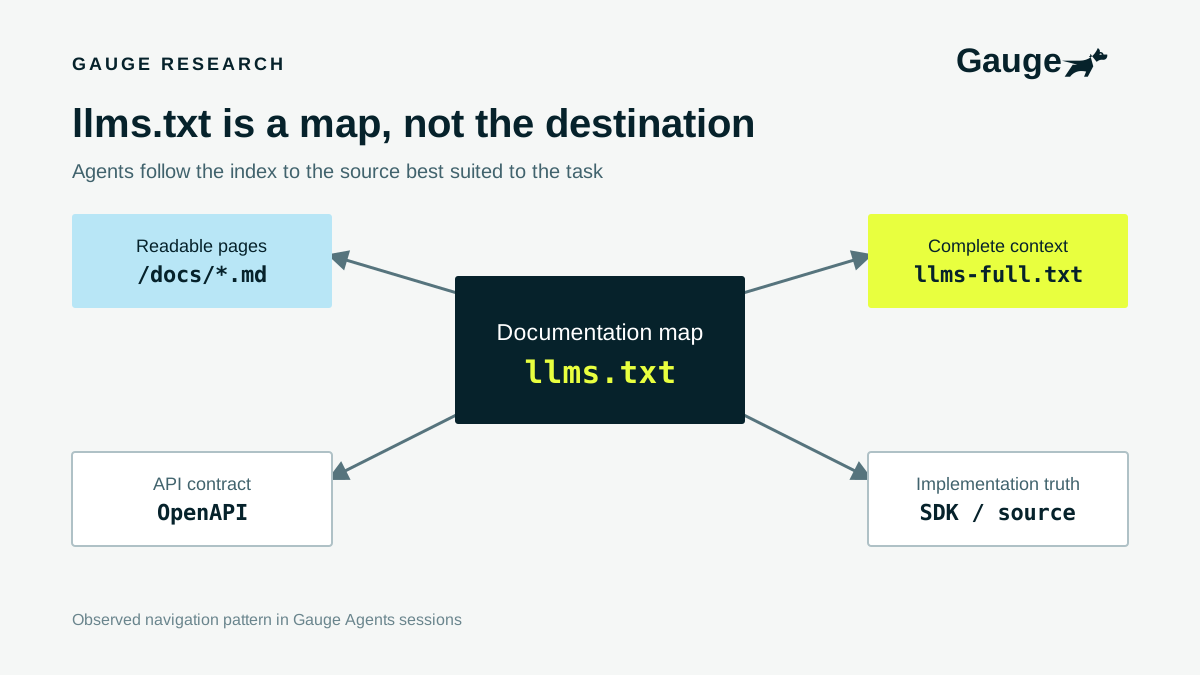
Should you have an llms.txt?
Absolutely yes. Coding agents use llms.txt to understand your product and navigate your documentation, and our research shows how often they read it.
 Ethan Finkel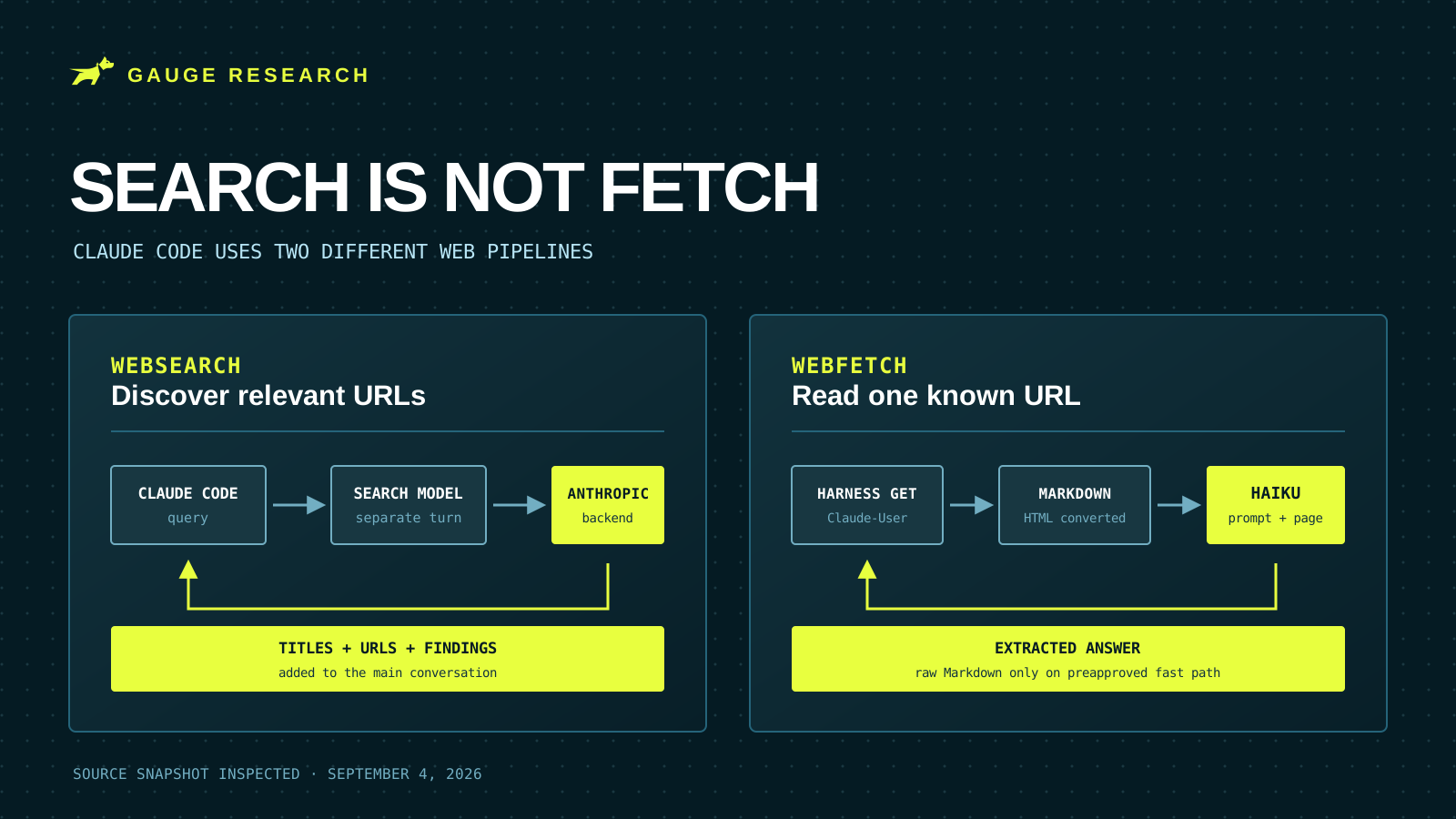
How Claude Code Searches the Web
Claude Code uses two separate web pipelines: a server-side search that returns links and findings, and a local fetch that sends a page through Markdown conversion and usually a Haiku extraction pass.
 Evan Doyle
Open Models Are Useful Proxies for Claude and Codex Preferences
Open models show similar preferences compared to Claude and Codex across 1,000+ sessions. That makes them useful for efficiently finding opportunities.
Evan Doyle